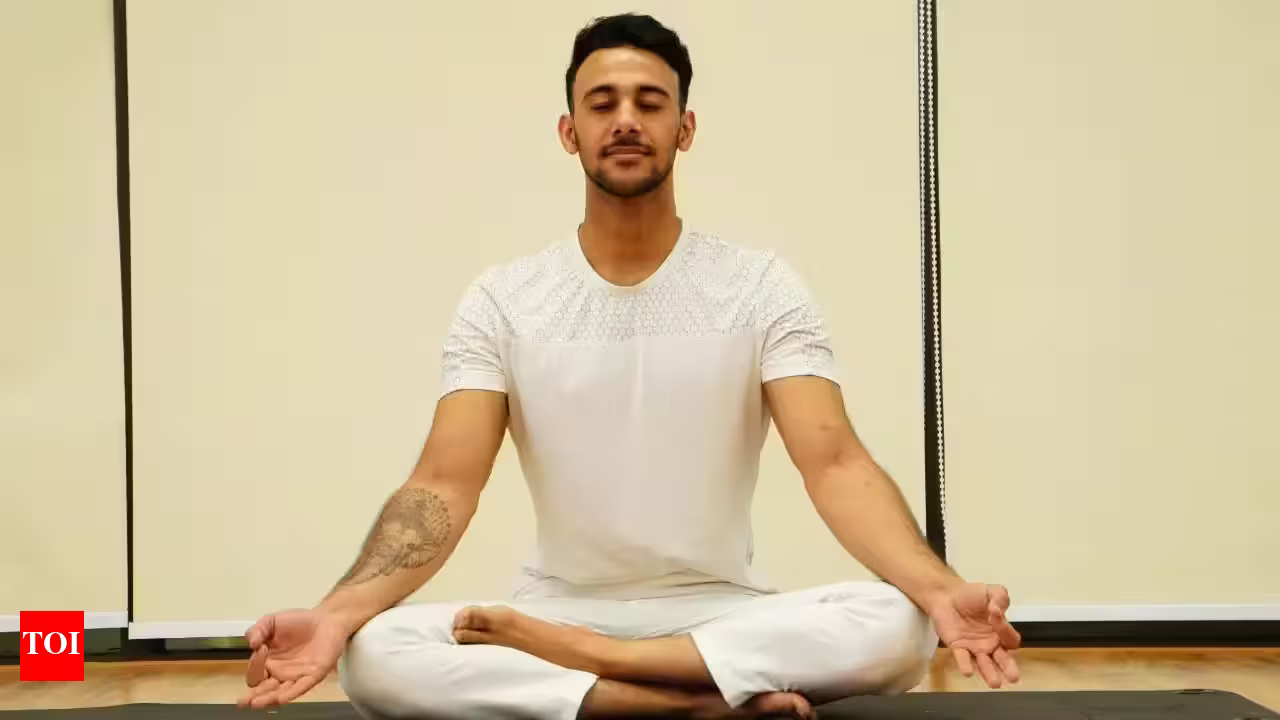
Pranayama Breathing Techniques for Relaxation and Inner Peace
Pranayama breathing techniques are an essential part of traditional yoga, helping practitioners develop breath awareness, relaxation, and a stronger connection between mind and body. In a busy world filled with responsibilities and constant distractions, these practices offer a simple way to slow down and focus on the present moment. Exploring https://yoga365.online/ can help beginners understand how mindful breathing fits into a daily wellness routine.
Learning pranayama breathing techniques does not require advanced yoga experience or complicated equipment. With a comfortable environment and a gentle approach, beginners can explore breathing exercises that complement physical activity and everyday wellness habits.
Understanding the Benefits of Pranayama Breathing Techniques
Breathing happens naturally, but becoming aware of each breath can change how a person experiences a moment. When attention shifts toward slow, comfortable breathing, it may become easier to pause and respond thoughtfully to everyday pressures.
Pranayama combines breath awareness with specific breathing patterns. In traditional yoga, these practices are used to cultivate balance, concentration, and a deeper connection between the mind and body. Mindful breathing may also support relaxation and provide an opportunity to step away from daily distractions.
The goal is not to force the breath or achieve a perfect rhythm. Instead, the focus remains on comfort, awareness, and gradual practice. A gentle approach makes these exercises accessible to people with different levels of experience.
Nadi Shodhana for Calm and Focus
Nadi Shodhana, commonly known as alternate nostril breathing, is a traditional pranayama practice that involves breathing through one nostril at a time. Practitioners alternate between nostrils while maintaining a relaxed posture and a comfortable breathing rhythm.
This technique encourages attention to the breathing process and can provide a mindful break during a busy day. Beginners should avoid forceful breathing or prolonged breath retention. Anyone who experiences discomfort should return to normal breathing.
Practiced gently, alternate nostril breathing can become a useful part of a quiet morning routine or a short relaxation session.
Dirga Pranayama and Deep Breathing Awareness
Dirga Pranayama, often called three-part breath, encourages awareness of breathing through the abdomen, rib cage, and upper chest. The practice is generally performed while sitting or lying in a comfortable position.
Begin by noticing the natural breath without trying to change it. Then allow each inhalation and exhalation to remain smooth and unforced, observing how the body moves with each breath. There is no need to take unusually deep breaths or continue if the practice feels uncomfortable.
This technique can help practitioners pay closer attention to physical sensations and create a dedicated moment for relaxation.
Practicing Pranayama for Everyday Relaxation
A consistent breathing routine can be simple. Choose a quiet place, sit comfortably, relax the shoulders, and spend a few minutes noticing the natural rhythm of the breath. Practicing at a regular time may help establish a sustainable habit without adding pressure to an already busy schedule.
Pranayama can be practiced in the morning before daily responsibilities begin or during a quiet break. Pairing gentle breathing with comfortable stretching may also create a more complete yoga experience.
For additional inspiration, explore mindful breathing practices to learn how breath awareness can complement a broader yoga routine.
It is important to practice within personal comfort levels. Avoid rapid or forceful breathing when learning independently, and stop if dizziness, breathlessness, or discomfort occurs. People with respiratory or other health concerns should seek guidance from a qualified healthcare professional when appropriate.
As practitioners become more familiar with their breathing patterns, daily pranayama breathing practice can provide a starting point for exploring relaxation, concentration, and mindful awareness throughout everyday life.